
- by Grant Parker
Nutraceutic: Definition, Types, and How to Choose Evidence-Informed Supplements
- by Grant Parker
When you hear someone mention a nutraceutic product, they’re referring to a food-derived supplement designed to offer extra health benefits beyond basic nutritional value. The term blends two words—nutrition and pharmaceutical—but don’t let that confuse you.
Nutraceutic products are typically regulated as foods or dietary supplements, not as medicines. They may support overall wellness, specific body functions like energy metabolism or immune function, or help fill nutritional gaps—without claiming to diagnose, treat, cure, or prevent disease.
A1 Body Fuel focuses on nutraceutic formulas in convenient formats like gummies, emphasizing clean ingredients and transparent labeling. This approach reflects a growing preference among consumers for supplements that fit seamlessly into daily routines.
This article is educational only and not intended as medical advice. Always consult healthcare providers before starting any supplement regimen.
The word “nutraceutic” is a practical, everyday term people use for nutraceutical products. It was coined in 1989 by Dr. Stephen De Felice, founder of the Foundation for Innovation in Medicine, who defined it as “a food, or parts of a food, that provide medical or health benefits, including the prevention and treatment of disease.”
However, the regulatory reality is more nuanced than that original definition suggests.
In most countries, nutraceutics are not classified as drugs. They fall under food or supplement categories, which means they face different safety and efficacy requirements than pharmaceuticals. This distinction matters because it affects what claims manufacturers can make and how products are evaluated before reaching the global market.
Nutraceutics may include:
Vitamins and minerals in capsule, powder, or gummy form
Plant extracts and botanicals formulated as concentrates
Bioactive compounds derived from natural sources
Functional ingredients added to everyday food products
The nutraceutical industry has grown significantly, with the global market valued at approximately $250-300 billion and growing at 8-10% annually. This growth reflects consumer interest in preventive health and natural alternatives to pharmaceutical interventions.
“Nutraceutic” is not usually a legal category in regulatory frameworks. Instead, these products fall under dietary supplements, foods, or drugs depending on the country and specific product claims.
This means a product sold freely as a supplement in one region might face stricter regulation or even be classified as a drug elsewhere. Understanding these differences helps explain why brand transparency and third-party verification matter so much.
United States:
Most nutraceutic products are regulated as dietary supplements under the Dietary Supplement Health and Education Act (DSHEA) of 1994
The FDA does not require pre-market approval for supplements
Manufacturers must ensure safety and accurate labeling
Only structure/function claims are permitted (e.g., “supports immune health”), not disease treatment claims
Products cannot claim to treat, cure, or prevent any disease
European Union:
Nutraceutics fall under general food law and specific regulations for food supplements
The European Food Safety Authority (EFSA) provides oversight for health claims
Health claims must be pre-approved and substantiated by scientific evidence
Borderline products may be classified as medicinal if they claim to modify physiological functions
Canada:
Many nutraceutics are regulated as Natural Health Products (NHPs)
Products require pre-market authorization and a Natural Product Number (NPN)
Some borderline cases are treated as foods or drugs depending on intended use
Claims are reviewed for scientific support before approval
These differing frameworks can lead to inconsistent labeling, claims, and quality across markets. A product with robust evidence in one country might carry different claims—or none at all—in another.
This regulatory plethora is why consumers should look for brands that prioritize:
Clear ingredient transparency
Third-party testing and verification
GMP-certified manufacturing facilities
Honest, evidence-informed claims
Nutraceutics span several product types that often overlap. Understanding these categories helps you evaluate which formulations might fit your goals.
These are the most recognized nutraceutic products. They come in various formats:
Capsules and tablets (traditional, easy to dose)
Powders (mixable, often higher doses)
Liquids and tinctures (faster absorption for some compounds)
Gummies (palatable, convenient, increasingly popular)
Common ingredients include vitamins like vitamin D3, minerals such as magnesium and zinc, amino acids like creatine, plant extracts including ashwagandha and ginseng, and various bioactive compounds.
Dietary supplements are intended to supplement the diet, not replace balanced meals. They work best when consumed as part of an overall healthy lifestyle.
Functional foods look like regular foods but contain added or naturally high levels of beneficial components. Examples include:
Yogurt with live probiotic cultures
Oats high in beta-glucans (associated with cholesterol support)
Eggs enriched with omega-3 fatty acids
Beverages with added vitamins or adaptogens
Claims for functional foods are generally framed as “may support heart health” or “is associated with digestive comfort” rather than disease prevention language.
These products address common nutrient shortfalls in populations:
Iodized salt (supports thyroid function)
Iron-fortified breakfast cereals
Plant milks fortified with calcium and vitamin B12
Flour enriched with folic acid
Fortified foods are usually positioned to help prevent nutrient deficiencies, not as therapies for specific diseases. They represent a public health strategy to improve health outcomes at the population level.
Botanicals have been used for centuries across cultures. Common examples include:
Green tea extract (rich in catechins)
Turmeric and curcumin extracts
Ginseng root preparations
Elderberry for seasonal wellness
One key challenge with herbals is variability in composition. The therapeutic effects depend heavily on extraction methods, standardization, and quality testing. Not all elderberry supplements are created equal—sourcing and formulation matter significantly.
Gummies represent a growing category used for multivitamins, minerals, adaptogens, and specialty ingredients. They offer several practical advantages:
Pleasant taste improves routine adherence
No water needed for consumption
Easy portability for travel or work
Precise dosing per serving
For adults who dislike swallowing large pills or capsules, gummies may support better consistency. Products like Himalayan Shilajit Gummies demonstrate how traditional ingredients can be delivered in modern, accessible formats.

Nutraceutics are researched for potential roles in supporting specific body systems. They are not intended to treat medical conditions or replace professional healthcare.
The focus is on maintaining wellness, filling nutritional gaps, and supporting normal physiological function. Here’s how different nutraceutic categories are commonly used.
Many people don’t meet recommended daily intakes for essential nutrients through diet alone. Products with vitamins, minerals, and trace elements may help address these gaps.
Commonly supplemented micronutrients include:
Vitamin B12 (especially important for plant-based diets)
Vitamin D3 (associated with bone health and immune function)
Vitamin K2 (may support calcium metabolism)
Zinc (commonly used for immune support)
Iodine (essential for thyroid function)
These nutrients provide basic nutritional support that complements, rather than replaces, food sources.
Certain ingredients are researched for their role in supporting muscle energy systems and reducing perceived fatigue:
Creatine monohydrate (one of the most studied performance supplements)
B-vitamins (cofactors in energy production pathways)
Iron (essential for oxygen transport)
Adaptogens like shilajit (traditionally used for vitality)
Products like Unleashed Creatine Gummies (sugar-free) offer a convenient way to incorporate creatine into a training routine without the mixing hassles of powder formulations.
Immune-focused nutraceutics typically contain ingredients like:
Vitamin C (antioxidant, supports immune cell function)
Vitamin D (modulates immune responses)
Zinc (essential mineral for immune health)
Elderberry extract (traditionally used for seasonal wellness)
Sea moss blends (mineral-rich seaweed preparation)
10-in-1 Sea Moss Gummies represent a multi-ingredient nutraceutic formulated for general mineral and wellness support. Evidence is evolving for many of these ingredients, and benefits vary by individual.
Certain nutrients and botanicals are researched for supporting relaxation, focus, or resilience to everyday stress:
Magnesium (may support relaxation and sleep quality)
L-theanine (found in tea, associated with calm focus)
B-complex vitamins (involved in neurotransmitter synthesis)
Adaptogens (may help the body adapt to stress)
These are not substitutes for professional mental health care. Anyone experiencing significant mood or cognitive concerns should consult healthcare providers.
Nutraceutics in this category often include:
Collagen peptides (associated with skin elasticity)
Hyaluronic acid (may support skin hydration)
Vitamin E (antioxidant protection)
Omega-3 fatty acids (associated with skin and joint comfort)
Results are highly individual and depend on baseline diet, genetics, and lifestyle factors. What works well for one person may produce different results for another.
These are potential, research-informed effects at the level of body systems and wellness—not disease treatment claims. Consult healthcare professionals for any medical concerns.
How a nutraceutic is formulated influences its stability, absorption, and day-to-day practicality. Choosing the right format can mean the difference between a supplement that sits in your cabinet and one you actually use.
|
Format |
Pros |
Cons |
|---|---|---|
|
Capsules |
Precise dosing, no taste |
May be hard to swallow |
|
Tablets |
Stable, cost-effective |
Often large, slow dissolution |
|
Powders |
Flexible dosing, fast mixing |
Requires preparation, taste issues |
|
Liquids |
Fast absorption potential |
Taste, storage, portability challenges |
|
Softgels |
Good for oils/fats |
Not suitable for all ingredients |
|
Gummies |
Pleasant taste, easy adherence |
May contain sugars, lower doses possible |
Gummies may support adherence by being pleasant-tasting and easy to take. This is especially valuable for those who struggle with pill form supplements or have difficulty swallowing capsules.
Some nutrients work better together than in isolation. Research supports several synergistic combinations:
Vitamin D with vitamin K2 (calcium metabolism)
Vitamin C with plant polyphenols (antioxidant activity)
Iron with vitamin C (enhanced absorption)
Curcumin with piperine (improved bioavailability)
All-In-One Gummies are an example of a multi-ingredient nutraceutic designed to group synergistic vitamins and minerals into a single daily routine.
Not all nutrient forms are created equal. Different chemical forms can have significantly different absorption profiles:
Magnesium citrate vs. magnesium oxide (citrate generally better absorbed)
Methylfolate vs. folic acid (methylfolate is the active form)
Standardized botanical extracts vs. raw powders (extracts offer consistency)
Higher dose is not always better. Form, timing, and individual needs matter more than simply maximizing milligrams on a label.
Reputable nutraceutic brands prioritize:
Third-party testing for contaminants (heavy metals, microbes)
Accurate label claims verified by independent labs
Clear ingredient lists with exact per-serving amounts
Transparent sourcing information
A1 Body Fuel provides clear ingredient lists, serving sizes, and references third-party testing to ensure formulations meet quality standards. For more information on returns or satisfaction guarantees, please review our refund policy.
Certain groups should exercise extra caution with nutraceutics:
Pregnant or breastfeeding individuals
People taking prescription drugs (potential interactions)
Those with chronic diseases or compromised health
Children and elderly adults (different nutrient needs)
Many studies are conducted in healthy adults and may not apply to vulnerable groups. Always seek supervision from qualified healthcare professionals before starting any new supplement regimen.

Selecting a nutraceutic is a personal decision that should align with your health goals, dietary patterns, and guidance from a healthcare professional. Here’s a practical checklist to guide your evaluation.
Before purchasing any supplement, define what you want to support:
Daily micronutrient coverage for general wellness
Workout performance and recovery
Immune system support during challenging seasons
Cognitive focus and stress resilience
Specific nutrient gaps in your diet
Limit overlapping products to avoid excessive or duplicate dosing. Taking three different supplements with vitamin D, for example, could lead to unnecessary intake.
A quality nutraceutic label should show:
Full ingredient transparency (no proprietary blends hiding doses)
Exact per-serving amounts for each active ingredient
Clear suggested use instructions
Identification of allergens and additives
Manufacturing and expiration information
Scrutinize added sugars, artificial colors, and unnecessary fillers—especially in flavored formats like gummies. Sugar-free options exist for those who want to minimize added sugars.
Consistency matters more than perfection. Choose formats you’re likely to use daily:
Sugar-free gummies for those who dislike pills
Once-daily capsules for simplicity
Mixable powders for those who enjoy smoothies
Practical examples:
Unleashed Creatine Gummies for strength training days
Himalayan Shilajit Gummies for those interested in traditional mineral-rich resins
10-in-1 Sea Moss Gummies as a simple way to include seaweed-derived minerals
Look for brands that demonstrate:
Clear explanations of sourcing and manufacturing processes
Rationale for each ingredient included
Honest, evidence-informed claims without exaggeration
Responsive customer service and education resources
A1 Body Fuel positions its nutraceutic line around clean formulations, functional ingredient selection, and straightforward communication rather than exaggerated claims.
Before starting any nutraceutic regimen, discuss your plans with:
A physician familiar with your health history
A registered dietitian who can evaluate your diet
A pharmacist who can check for drug interactions
Nutraceutics are intended to complement, not replace, medical care or a varied diet. They work best as one component of an overall wellness strategy.
This section addresses specific questions health-conscious adults often ask when first exploring nutraceutic products.
Pharmaceuticals are regulated as drugs with strict pre-market approval processes, clinical trials, and verified therapeutic claims. They are intended to treat, cure, or prevent disease under medical supervision.
Nutraceutics are usually food or supplement products with wellness-oriented claims and less stringent pre-approval requirements. They focus on supporting body functions and filling nutritional gaps rather than treating specific conditions.
Evidence quality varies significantly by ingredient. Some nutraceutics have robust research support:
Creatine monohydrate (extensively studied for performance)
Vitamin D (well-reviewed for bone and immune health)
Omega-3 fatty acids (researched for cardiovascular and cognitive support)
Newer blends and botanicals may have emerging or preliminary research. Always reference peer-reviewed studies and maintain realistic expectations about what nutraceutics can and cannot do.
No. Nutraceutics should not replace balanced eating or professional medical care.
They work best when used to complement healthy habits—nutrient-dense food choices, adequate sleep, regular movement, and stress management. For any medical concern, consult qualified healthcare providers.
Effectiveness depends on ingredients, dosage, and quality—not the format alone. A well-formulated gummy with clinically relevant doses can be just as effective as a capsule.
Sugar-free options like Unleashed Creatine Gummies demonstrate how gummies can deliver meaningful doses without added sugars while supporting better adherence for people who dislike swallowing pills.
Timelines vary considerably:
Some users notice subjective changes (energy, digestive comfort) within days to weeks
Others may not perceive obvious effects despite supporting nutrient status over months
Certain benefits (like bone density support) may take much longer to manifest and aren’t always perceptible
Consistency matters more than immediate results. Many nutraceutics work by addressing gradual processes in the body.
These responses are general information and not tailored medical guidance. Consult a healthcare professional for personalized advice.

Nutraceutics sit at the intersection of food and supplementation, offering research-informed ways to support specific aspects of wellness when used thoughtfully. They represent one tool among many for maintaining health—not a magic solution or replacement for fundamental lifestyle factors.
Quality, transparency, and realistic expectations matter more than marketing hype. The best nutraceutic products provide clear information about what they contain, how ingredients are sourced, and what the current research actually supports. They make honest claims and avoid positioning themselves as cures or treatments for disease.
Healthcare guidance is advisable for anyone with medical questions or specific health conditions. A qualified physician, dietitian, or pharmacist can help determine whether a particular nutraceutic fits your individual needs and won’t interact with medications or existing conditions.
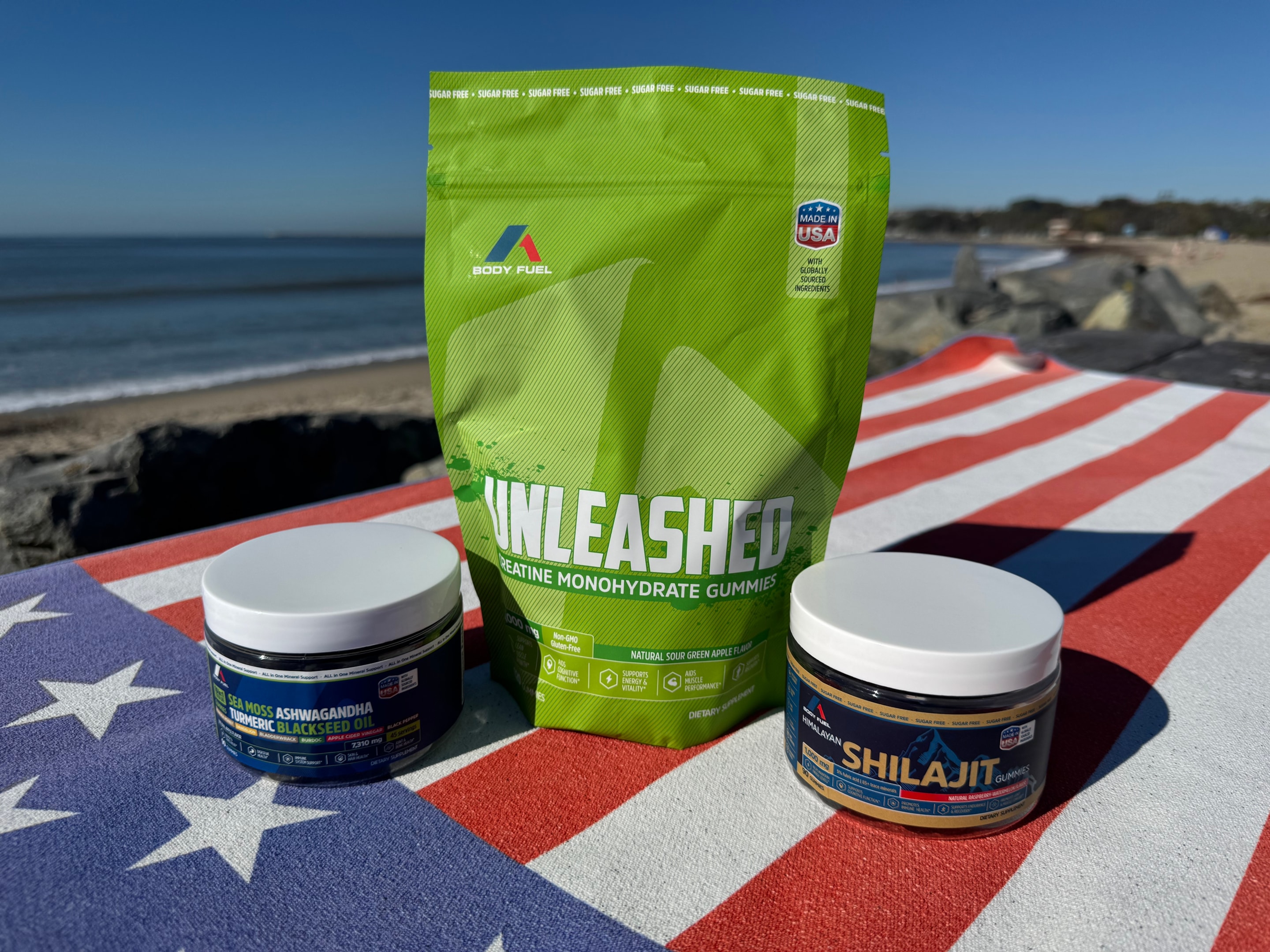
A1 Body Fuel’s nutraceutic range—including All-In-One Gummies, 10-in-1 Sea Moss Gummies, Unleashed Creatine Gummies, and Himalayan Shilajit Gummies—is designed for adults who value clean formulations and simple daily routines over complicated supplement stacks.
Learn more about each formula’s ingredients, explore the research behind key compounds, and consider how a nutraceutic routine might fit into your own day-to-day life.
Share:
Shilajit Gummies vs Resin: Which Form Is Better for Daily Use?
Can Creatine Gummies Help With Weight Loss? Is It Effective?